


VAT Fiscal Representation in Israel: A Guide for German Companies
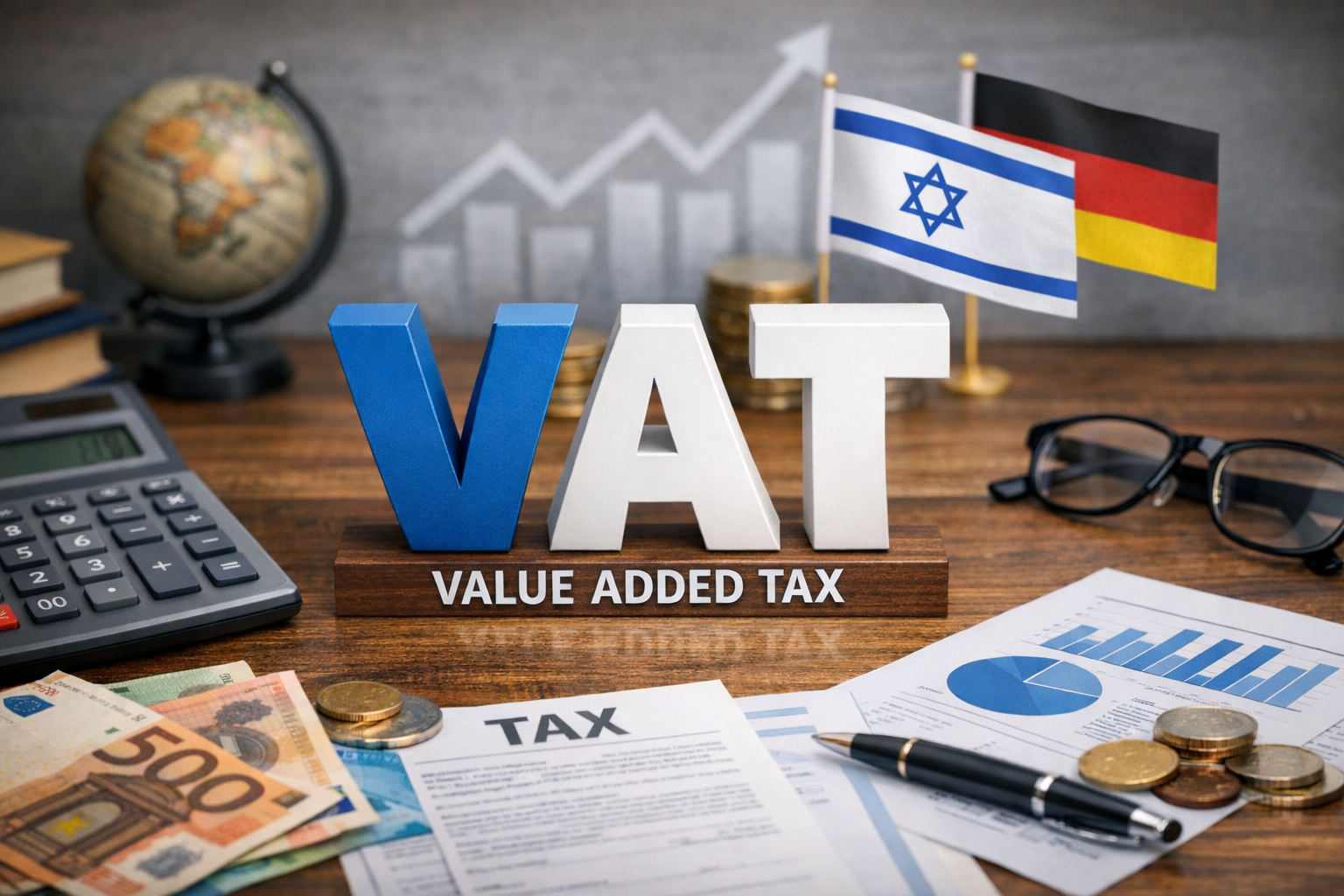
Why Israel Is on the Radar of German Businesses
In recent years, Israel has emerged as a strategic destination for German companies seeking international growth. With a robust tech ecosystem, high consumer purchasing power, and strong bilateral trade relations with Germany, the Israeli market offers real potential especially for Mittelstand firms looking to expand beyond the EU.
But entering the Israeli market is not just about opportunity. It also involves navigating a distinct legal and tax framework, which includes the requirement for fiscal representation.
Section 60 of Israel’s VAT Law: Mandatory Requirements for Foreign Entities
Under Section 60 of the Israeli VAT Law, any foreign entity conducting taxable business in Israel must appoint a local fiscal representative. This applies whether the company is selling goods, providing services, or operating through digital platforms.
The fiscal representative acts as the legal liaison with the Israeli Tax Authority, responsible for:
- VAT registration
- Filing monthly and annual VAT reports
- Handling audits and correspondence with authorities
This requirement is not optional. Without a fiscal representative, a foreign company cannot legally issue tax invoices or reclaim input VAT. In practice, this can delay operations and create compliance risks.
How This Affects German Companies
German companies often begin their Israeli operations by testing the market—sending products, offering remote services, or partnering with local distributors. These activities, while seemingly low-risk, may trigger VAT obligations under Israeli law.
For example, a German software firm licensing its product to Israeli clients may be considered to have a taxable presence. Similarly, a manufacturer shipping goods directly to Israeli customers must register for VAT and appoint a representative.
This is especially relevant for Mittelstand companies, which tend to operate lean and may not have local infrastructure in place.
The Role of the Fiscal Representative: More Than Just Compliance
While the fiscal representative is a legal requirement, the role can also be strategic. A qualified representative can:
- Ensure accurate and timely reporting
- Advise on deductible expenses and VAT optimization
- Help avoid penalties and audits
- Coordinate with accountants and legal advisors
In cross-border operations, small errors in VAT handling can lead to significant financial exposure. Having a representative who understands both German accounting standards and Israeli tax law is a major advantage.
Legal and Tax Coordination: Germany-Israel Tax Treaty
The Germany-Israel Double Taxation Agreement (DTA) provides mechanisms to avoid double taxation and reduce withholding tax rates on dividends, royalties, and interest. However, to benefit from these provisions, companies must meet documentation and substance requirements.
A fiscal representative can assist in:
- Preparing Form 2511 for reduced withholding tax
- Coordinating with German tax advisors to ensure treaty compliance
- Managing cross-border invoicing and reporting
Final Thoughts: Plan Before You Operate
The Israeli market offers real opportunities, but it also requires careful planning. German companies should assess:
- Whether their activities trigger VAT obligations
- What documentation is needed for treaty benefits
- How to structure operations to remain compliant
Appointing a fiscal representative is not just a checkbox—it’s a step toward building a sustainable and legally sound presence in Israel.
About Us
With over 20 years of experience through Auren Israel, and as part of a Top 15 global advisory network, we’ve supported dozens of German Mittelstand and multinational firms in entering the Israeli market. Our teams in Germany and Israel work together to ensure full legal and financial alignment.
Yaniv Angel, CPA (Adv.)
International Taxation Expert | Managing Partner, Auren Israel
[email protected]